Monday, April 25, 2011

Pt. Reyes Backpacking, Pt. 1


I’d been looking forward to this backpacking trip for a long time. Perhaps too long. Sometimes I think it would be better to wake up in the morning and have someone tell me, “Hey! Tomorrow morning we head off on a 3 day backpacking trip. Get ready!” Then I kick into high gear and tear around like crazy putting it all together, and then we leave.

But instead, what happens is this: I putter around for weeks, months even getting every little thing ready, getting more anxious as the time approaches, anxious that I might have forgotten something to put on my list that I can’t actually pack until closer to the last minute. But will it all fit? And what will it weigh? So several trial pack-outs ensue. And then FINALLY it’s for real.

Saturday April 9, I drove out of Marysville at 6:30 am, headed for the Bay Area. Lovely drive, NO TRAFFIC! A lovely byproduct of a Saturday morning. Pt Reyes is a really confusing area when trying to figure out a route with all the roads winding around there. I never realized that it even existed before, this whole peninsula full of beaches and trails and wildlife. I set Kathleen (my GPS) to take me to Bolinas, since she didn’t seem to recognize any of the other locations I typed in. From Bolinas I could follow the written directions.

Highway 1 is the most incredible stretch of road! I traveled a piece of that working my way northwest to my destination. I had been on it about 40 minutes traveling north, when all of a sudden I had the awful thought that I should have been traveling south on it! I got all shaky and pulled over as soon as there was a wide spot and pulled out my map, disoriented as to where I even was. I was going the right direction, and almost to Bolinas, so I got on my way again. But it took about a half hour to lose the quiver in my gut!

We were to meet at the Palomarin trailhead at 10am. I arrived at 9:50am. Melinda and Erin showed up a few minutes after 10. This kind of timing was pretty amazing, since neither of us had been over there before and were giving it our best guess for driving time! We left Melinda’s truck parked there and piled into my truck for the long haul to the Bear Valley Visitor Center to take care of the paperwork. There are some nice picnic areas and a wildlife interpretive center there. At the little store, you can buy any kind of nature guide you can think of.

From the visitor center, we then drove over to The Hostel, which is about a mile inland from Limantour Beach. That is where the Coast Trail begins at the Laguna trailhead. We ate our lunches and then got our packs ready to go. Even with my new pack, Melinda found a lot of humor at my expense concerning the gear I had lashed and dangling on the back. Old habits die hard! My pack weighed too much, I’m sure. It was about 34 pounds without water. Yikes!

Only a short distance into the hike, we had our first obstacle. A lake of water across the trail. There was a scrubby little trail that crawled up the hill beside the trail, obviously someone looking for a path around. But did they make it all the way up, around and down? Erin and I gladly sent Melinda to do that while we discussed how we were going to wade it. Melinda kept calling out encouraging words like, “I don’t think you guys can do this,” while we rolled up our pants, and took off our hiking boots and slipped on our sandals and crocs. It never got up past the calves, thank goodness! We met up again and went on our merry way.

This first day we only had a couple miles scheduled for hiking. We had so much driving and staging, and then shaking down the pack-out that it seemed for the best. Those miles were fairly level and pleasant as we approached the ocean and our first camp.

Coast Camp is at a small grassy valley a short distance away from the beach. A drinking water tap and clean vault toilets are at the main camp area, and around the bend seven campsites are tucked along a short trail. Each of these campsites has fairly decent privacy, as opposed to the ones in the little valley. What looked like a Boy Scout troop was camped in the main area. It was sweet to see them with all their little tents and such, but still, I was glad they were there, and we were over here!

The wind was really blowing, but we got our tents pitched and went down to see the beach. Every beach we went down to was just gorgeous. The waves were rolling, curling and breaking close to the sand, like it does on these steeper-sloped northern beaches. The wind was blowing sand grains against my ankles as Erin and I trudged south along the wet sand. We were headed downwind, and I knew that when we turned around to head back, we’d have to pay the piper and lean into the blowing wind. We came upon a swift-flowing stream that was cutting across the beach and into the ocean. It was rocky there and could have had interesting tide pools in it, but it didn’t look safe enough to go hopping around on it. Every time a particularly big wave crashed over the rocks, the gulls would hop up a few feet into the air, hovering until the wave washed back out again.

Each camp was supplied with a locking food box to keep the supplies out of the hands of raccoons and other critters. We had gotten a beach fire permit (driftwood being the allowable fuel), but it was so windy there was no question of us wanting to do that! The camps also had barbeque grills, if one was so inclined to pack in briquettes. Now when the rules were read to us, an emphasis was made on the fuel. Wood—beach. Briquettes—barbeques.

Close to sundown, a ranger came to check on permits, food box usage and… fires. We passed inspection. Meandering up the campground trail, we happened to view one of the campsites also under inspection by the ranger. He was lecturing a group on the use of the barbeques under the steaming veil of wet smoke that was emanating from the drenched log on the grill. I heard him say, “…next time I’ll issue a citation,” and it made me glad I hadn’t been tempted to throw a log on the BBQ and light it off!

We reconstituted the Burgundy Beef Stew I had made up and fixed up a couple packets of loaded mashed potatoes. We had brownies for dessert and hot cocoa on top of that. What was going through my head was that the more calories I could consume, the warmer I would stay during the night.

When I was younger I NEVER stayed warm enough when camping. No matter how many clothes I layer on, how thick a sleeping bag, I always had to worry about being cold. I don’t know if it was the calories or if it just wasn’t that cold, but I had a very comfortable night.


Saturday, April 23, 2011

What is the True Meaning of Peeps?


All around the world we human beings anticipate the approach of our traditional holidays. Families, friends and social and religious groups meet to celebrate the rituals and feasts and curious habits of each holiday. If you live in America, thanks to the retailers and advertisers, you can’t NOT know the trademarks of each major holiday, which are conveniently spaced throughout the year to provide maximum shelf time for all the props and edibles.

Pondering the commercialization of our American and Christian holidays, I’ve wondered about two things: One, why haven’t the retailers managed to insert a few clever holidays in some of the ‘blank’ months, like September? Two, will they ever manage to completely ruin Thanksgiving with chocolate turkeys and Thanksgiving trees?

If I were to answer my own questions, I guess I’d say that for the first, the retailers rely on ‘bleed-over,’ that is, sticking with what works best, which is Christmas. Why invent a new holiday when you can just bring Christmas a little closer? And handily enough, this also answers the second question. Leftover packages of turkey paper plates and pilgrim-themed centerpieces don’t bring in the bargain-hunters the day after the fact like day-old Christmas candy and decorations do!

One thing that fascinates me is the symbolism of certain foods that show up at all major holidays. There are shaped foods, which are cute, fun, and obvious as to their message, such as candy or cake hearts for the holiday of love, Valentine’s Day, cookies shaped like Shamrocks or four-leafed clovers for luck that abound on St. Patrick’s Day, and Candy Canes that are said to represent a shepherd’s crook for Christmas, bringing to mind the first visitors of the infant Jesus. And for the holiday upon us, Easter, nothing is more iconic than the chocolate Easter Bunny.

But I wanted to look just a little deeper at the symbolism of holiday food at this time of the year, and these are some of the things I have found out.

Easter Eggs. Love’em or hate’em, Easter Eggs are embedded in the holiday and will never be dislodged. Chocolate, marshmallow, decorated sugar, Whopper, jelly, hard-boiled or plastic with candy inside, there’s a kind for every taste. But why eggs?

Eggs are traditionally connected with rebirth, rejuvenation and immortality. This is why they are often associated with Easter. Eggs were colored, blessed, exchanged and eaten as part of the rites of spring long before Christian times. Ancient peoples thought of the sun's return from darkness as an annual miracle and regarded the egg as a natural wonder and a proof of the renewal of life. As Christianity spread, the egg was adopted as a symbol of Christ's Resurrection from the tomb. On a more practical level, in the early Christian calendar eggs were forbidden during Lent. This made them bountiful and exciting forty days later.

Breads. As bread is the staple in the diets of many cultures, it is also full of symbolism in religious ceremonies and holiday banquets. As Christ shared the bread with his disciples at the Last Supper before the crucifixion and resurrection, Christians repeat that ritual with a bit of unleavened bread as a remembrance.

In a pagan note, the word ‘Easter’ comes from the name for the Anglo-Saxon goddess of light and spring, Eostre, and special dishes were cooked in her honor so that the year would be endowed with fertility. Most important of these dishes was a small spiced bun. The Egyptians offered small round cakes to the goddess of the moon, each marked with a representation of the horns of an ox, which were her symbol. In ancient Greece, a similar small, sacred bread containing the finest sifted flour and honey, had the name bous meaning ‘ox’ and from which the word ‘bun’ is said to have originated. The Christianized form and the ritual of baking ‘hot cross buns’ became standard practice of the Easter celebration in English society. ‘One a penny, two a penny, hot cross buns.’

Meat. Probably the most symbolic main dish to grace the Easter or Passover table is lamb. According to the Encyclopedia of Religion, Mircea Eliade editor in chief [MacMillan:New York] 1987, volume 5 (p. 558):
‘Among Easter foods the most significant is the Easter lamb, which is in many places the main dish of the Easter Sunday meal. Corresponding to the Passover lamb and to Christ, the Lamb of God, this dish has become a central symbol of Easter. Also popular among European and Americans on Easter is ham, because the pig was considered a symbol of luck in pre-Christian Europe.’


I tend to think that ham is popular because it is easy to cook, everyone likes it, it is much cheaper than lamb, and all the stores carry it. Just try to find a leg of lamb at a Walmart SuperCenter!


I find the ritual and symbolic aspect of the Jewish Passover Seder most interesting. Some of the traditional foods are:
Matzoh (sort of a cracker): Three unleavened matzohs are placed within the folds of a napkin as a reminder of the haste with which the Israelites fled Egypt, leaving no time for dough to rise. Two are consumed during the service, and one (the Aftkomen), is spirited away and hidden during the ceremony to be later found as a prize.
Maror: bitter herbs, usually horseradish or romaine lettuce, used to symbolize the bitterness of slavery.
Charoses: a mixture of apples, nuts, wine, and cinnamon, as a reminder of the mortar used by the Jews in the construction of buildings as slaves.
Beitzah: a roasted egg, as a symbol of life and the perpetuation of existence. (Here’s that egg again!)
Karpas: a vegetable, preferably parsley or celery, representing hope and redemption; served with a bowl of salted water to represent the tears shed.
Zeroah: traditionally a piece of roasted lamb shankbone, symbolizing the paschal sacrificial offering
Wine: four glasses of wine are consumed during the service to represent the four-fold promise of redemption, with a special glass left for Elijah the prophet.
(http://homecooking.about.com/od/foodhistory/a/passoverfoods.htm)


I know that people today have their traditional family favorites they bring to the holiday table. And if you showed up without it, your relatives would scream, ‘What! You didn’t bring the Cranberry Walnut Jello Salad?’ But what would be fun and thought-provoking is if we could assign each part of these newer traditional foods special symbolism for the group that is partaking.


Now wouldn’t that be more meaningful than another Easter basket full of Peeps and jelly beans nestled on pink plastic Easter grass?


(BTW, what is the true meaning of Peeps?)

Thursday, March 31, 2011

Jane Eyre Party

Hmm, don’t know how to insert much into the Jane Eyre Party Story that hasn’t been covered by “Redgirl’s Quick ‘n Snarky Notes” on the festivities. I’d always been a big fan of George C. Scott (and not just because we had the same birthdays) and felt that he was a terrific Rochester. He was everything right; ugly, tortured, explosive, masculine, and with a huge presence that made him entirely believable. I wasn’t that fond of Susanna York as Jane, however. She seemed a bit too old and too pretty to be that young teenager, Jane. The first time I watched the William Hurt version, I decided that it would be my new favorite, mostly because of Charlotte Gainsborg’s Jane. She was young, somewhat plain, and uber cool and collected as she sparred with Rochester. But watching the two side-by-side, I claimed the first version again for favorite. Hurt isn’t bad, but seems more tortured and moody than imposing, and I appreciated York’s acting ability more than I had previously. The third version, with Orson Wells as Rochester and Joan Fontaine as Jane, I had not remembered fondly, but it held up better with this viewing. (Though that could have been due to the Robert Mondavi Cab that we were well into) I recently saw the movie Rebecca, and Fontaine starred as the “nameless I,” a character very similar to her Jane. Sort of passive and eager to please. And very beautiful. Orson Wells was ok, but it really bugged me how he spoke most of his lines without opening his mouth and moving his lips. Melinda was always right on cue with her line: "THIS wasn’t in the book!" Which made me want to go through the book again. So I’m skimming through it and making notes for a project. What sort of project? It’s a surprise…

Sunday, March 27, 2011

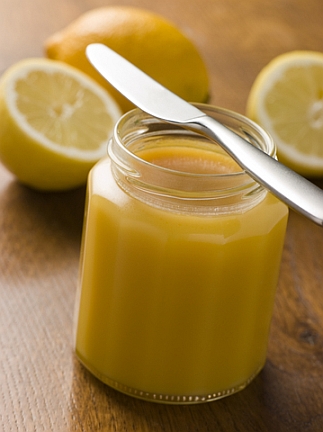
Lemon Curd


You may have heard that Melinda has just been accepted into UC Davis Veterinary School for this fall. More than a couple of corks were popped, but as long as there is inspiration, there is celebration. She was going to be up here this last weekend and wanted to share a customized celebration with Bethany, Tristan and me. After a few hours of brain-wracking, we both had a eureka moment at about 10pm that night---A Jane Eyre party!

We are all fond of the book Jane Eyre, by Charlotte Bronte, and I am especially fond of seeking out all the movie versions that have been of that gothic novel. Melinda just finished listening to the Librovox audio version and was enthusiastic about the theme party. Her offering was a bottle of Robert Mondavi Napa Valley Cab. The time was set for Saturday, 9am. That seemed a bit early for wine, but figured I could easily work it in as the party progressed.

Tea. If you are going to have a book or movie party based on the work of a famous dead English novelist, you must be prepared to go through a fair amount of hot tea. It must be served from a silver-plated or china teapot into teacups WITH saucers. And even though Americans drink it black, milk and sugar must be available in little serving pieces with little spoons. If you have ever watched the very long and complete BBC version of Jane Eyre starring Timothy Dalton, you will know that every time an emotional or taxing moment occurs (and there are many), someone, usually Mrs. Fairfax, hauls the tea tray out and offers it around. Of course, only a sip is taken, or the lips are wetted before the tea does its job and everyone feels restored. When we had watched it a few years ago, we were not so reticent, and kept the tea coming, ensuring plenty of “Loo Breaks.”

Scones. No question, scones were required. Americans leave out the egg and call it a biscuit, but if you call it a scone, it is very English and is just right for this type of party. Lately, I’ve been trying very hard to eliminate simple carbohydrates, such as sugar, white rice, white flour, etc from my pantry. I knew I had enough whole wheat flour, but decided to stop by the grocery on my way home and get a small bag of white flour to make the scones.

At the very last moment, I turned the wheel the other way, and I committed to whole wheat. With enough butter and tender care in making them, they surely would be good enough for the party! I added lemon extract to the scone dough, and baked them at 400 so they would bake fast and have a nice toasty crust. I made a glaze of powdered sugar and lemon juice to drizzle over the top. A small shake of salt in the glaze seems to make the cornstarch flavor less noticeable. I was very pleased with the end result; crusty, tender inside, lightly sweetened and a tangy lemon finish.

(Just in case you want to try it…)
Whole Wheat Scones
1 ¾ cups whole wheat flour
2 ½ teaspoons baking powder
½ teaspoon salt
6 tablespoons cold butter, cut in pieces
1 egg
1/3 cup milk
½ teaspoon lemon extract

Mix flour, baking powder and salt in a medium bowl. Use your fingers to rub the very cold butter into the flour mixture until the butter is in lumps the size of flattened corn kernels. Mix together egg, milk and extract. Stir into the flour mixture, adding a tad more liquid or flour as needed. Dump onto flour-dusted waxed paper and lightly knead a half-dozen times. Pat out into a rectangle and cut into triangles. Bake on greased or parchment-covered cookie sheet at 400 degrees till done.

At the appointed time, I set out the tea and the hot scones on a side-board near the TV. And then, from the ‘fridge, I brought out the point of this post—Lemon Curd.

“Lemon Curd” sounds weird, sort of like “curdled,” along with a sour word, which makes you think of spoiled milk. But I knew, after a friend had served me some, imported from England, that it is more like a thick lemon custard that you spread on scones and crumpets.

I couldn’t find a recipe in any of my books, so I turned to the Internet. After scanning the recipe for a reality check, I did the next step on the checklist, reading all the reviews. The reviews can be really funny. It’s too runny, it’s just right, it’s too sweet, it’s too buttery, it’s perfect, it’s just like Lemon Curd from home (from an Englishman), it’s too sour, it has too many eggs, it’s fabulous.

Judging by the comments and my own reality check, I decided to cut the amount of butter in half. I also cut down the amount of zest and added a shake of salt since I use unsalted butter.

Lemon Curd
5 egg yolks
¾ cup sugar
1/3 cup fresh lemon juice (1-2 large lemons)
zest of one lemon (avoid the bitter white pith)
¼ cup butter, chilled and cut into pats
pinch of salt

If you don’t have a double boiler (I don’t) then use a metal bowl that fits over the top of a medium saucepan without touching the inch or so of boiling water in the pan.
Combine yolks and sugar in medium sized metal bowl and whisk until smooth, about 1 minute. Whisk in fresh lemon juice and zest until smooth. Place bowl over simmering water in saucepan. Whisk until thickened, about 8 minutes, or until thickened. Remove promptly from heat and stir in butter, one piece at a time, allowing each to melt before adding another. (At this point, I decided to run the mixture through a sieve). Remove to a clean jar and lay a piece of plastic wrap across the surface. Keep refrigerated up to 2 weeks.

WOW! It turned out, and was absolutely delicious. It was almost too thick, though, so I might back off on the time I cooked it (I left it on the heat for 9 or 10 minutes), or I might use one less egg yolk. But it was wonderful and I would surely make it again the next time I need an English condiment.

See tomorrow for my Jane Eyre reviews!

Friday, March 11, 2011

A Few of my Favorite Things


I enjoy a good list. And I was inspired by Mel’s posting on favorite resources to come up with my own favorite resources. Kitchen tools, that is.

In my life of cooking, I have “made do” more often than I’ve had the best tools and ingredients on hand when making something. And I will brag that it has made me a better person. I’m flexible, adaptable; I don’t panic when I find out when I find out I’m missing a vital part. No baking powder? No problem! A pinch of cream of tartar and baking soda. No rolling pin? Hey, as long as you have a whiskey bottle you’ve got it covered. The oven doesn’t work and you have 4 pies to bake? Fire up the barbeque for some serious indirect cooking!

KitchenAid Stand Mixer
The household I grew up in relied on a handheld portable mixer. We used it for everything. We whipped divinity and 7 minute frosting. We made cakes and beat up frosting (which was difficult. You had to do it quick because the hot air vented straight down into the buttery frosting, which was stiff and hard-going). It was the standard tool for whipping up the foam on our mixture of carpet cleaner.

One day, it died.

It just so happened that I needed to supply a Cake-Walk cake for our elementary school’s Halloween Carnival. My mom wasn’t home, so my grandma was helping me. The recipe called for beaten egg whites. We didn’t have a whisk. (Remember, we used the mixer for EVERYTHING) I have an image etched in my brain of my grandma working a fork over a platter full of egg whites, whipping and beating them into something lighter than the clear viscous pile she started out with.

A dozen years ago I bought my first KitchenAid stand mixer. It is so effortless. I can make pie dough, batter, grind meat, juice pomegranate seeds, shred cheese and cabbage, knead yeast dough and whip eggs like those bad boys have never been whipped before. One trait I especially am fond of is that I can walk away from it. With a portable, once you turn it on, you’re committed for the duration. If you’re going to have a stand mixer, get this one!

Garlic Press
Garlic is probably the favorite seasoning in my house. If I want the family to swoon with delight when they walk in the house and say, “What’s for dinner? It smells good!” , I just have to toss a pinch of garlic powder in the air. Yes, garlic powder. So easy. So cheap. But… Just not the best choice for garlic. I used to use the minced garlic in the jars, but I drifted back into using the powder. Once in a while I would get ambitious and buy a head of garlic. All those little papery garlic skins! Sticking to your fingers which are covered with fragrant, sticky garlic juice! Chop, chop, chop! Mince, mince, mince! Scrape them up from the cutting board and then scrape them off the knife into the pan!

Then I got wise and bought a NICE garlic press. It is heavy and has a little tool for pushing the bits that are left out of the holes so they don’t dry there. You don’t even have to cut the skins off; you just push the lever and the garlic squirts out.

And for everyone’s comfort, the rule in our house is, if one eats garlic, we all eat garlic!

Lemon Reamer
I love to use fresh lemon in my dishes. I usually have a choice. Either pull out a cuppie of previously juiced and frozen fresh lemon juice ( if I have any), drag out the juicer (like I’m going to do that for ½ of a lemon!) or slice wedges and squeeze the juice out. Yikes! Juice all over your fingers, juice still in the wedge so you end up mashing the thing messily.

I saw a reamer used in a kitchen show once. (You may have seen this many times, but since I don’t get TV reception or cable or dish etc, I hadn’t) It was not only efficient and easy, but also cute. I’ve used it twice now and it was love at first use. I’m much more likely to keep whole lemons on hand now!

Instant Read Meat Thermometer
I would never be without one of these! How can you gamble and guess about whether poultry or pork is done, when the consequences of underdone meat is food poisoning? And how can you gamble and guess whether your beef roast is rare enough when beef is so expensive and is ruined if it is well-done?

I do enjoy my leave-in thermometers to give me a heads up when big roasts are about done. But the instant-read can confirm the doneness in different places, especially in a fowl, and they are useful for burgers, and meat pieces.

Rubber Scraper
Scrape, scrape, scrape! Can you hear the sound of a spoon raking along the sides of a mixing bowl, trying to get out the last of the cake batter? It is impossible! And that goes for any mixture that is on the stiff or thick side. I still remember getting my first rubber scraper when I was a teen. What it could do for folding, stirring and scraping was nothing short of miraculous. I didn’t anticipate the complaints though. Now there was no batter for my batter-eating family to lick up! Heh heh, (evil grin) I didn’t like batter myself and now I could force my preferences on them.

Thursday, February 10, 2011

Ohlone Trail, pt 3

I knew there was a lot of drip drip going on outside my tent. But I was lying there enjoying how much warmer I was than I had been the night before. And the fly was huge enough draped over the tent to ensure that I stayed dry. The heavy mists and fogs had rolled in the previous night and damped everything. I had worn my raincoat playing cards and drinking decaff tea the night before to keep dry. In a smart preparatory move, I had brought a big black garbage bag along, and had pulled it over my pack. When I peeked out, I could tell that most of the moisture had fallen at once last night, but the fog had settled in.


Melinda was also stirring. Self-sacrificing, I offered to fetch the stove and stuff so we could have breakfast in bed. (OK, so I had to get up anyway.) We had coffee and oatmeal while cozied up in our bags at the doors of our tents.


While my 2cnd hand tent is big and sprawling, and droopy-looking with the fly on it, Melinda’s clever little tent is cute and compact. It is truly a thing to envy.


We didn’t hear much from the male-bonding group with their illegal bonfire, or the from the two women and their illegal dog who had been hanging out at our camp when we arrived. (They were enjoying the picnic table when we arrived, but we knew their camp must be one of the other ones because they had no gear with them.) But now I had to face my familiar discombobulation: that of filtering my water from the tap without having the extra Nalgene for the “dirty water.” The night before I had used my small dry-bag to fill with water to pump from. This morning I used Melinda’s little plastic “sink” that was also the bag for her cooking pot. This time I used a stylus in my mind’s eye, “Bring extra Nalgene next time!”

As we began tidying up our things, we both sighed at the prospect of a gray day. The fog was pretty, with the pale sun shining through dim areas overhead, but gray is gray, and we were remembering the yellow glow of the previous afternoon sun that had kept us in good brain health. Then, even as I was watching, it was as if a giant gauze curtain was being swept back. A very light breeze was moving the fog out.

In less than a minute, our invisible surroundings gave way to a view, a sunny view! I had never seen fog clear that fast. But that is probably because I am used to Tule fog that comes in and doesn’t budge for 2 weeks.

We had another creek-crossing to do. This was a place that would have been lovely for a picnic.


When I cross a creek, I always think, Oh Dear, what if I fell in? And then I slap that thought with another one, I CAN’T fall in; it would be a disaster! I try never to forget that I’ve got a big weight on my back that can unbalance me in a second if I am not aware of each step I take.

As we climbed up and down over the grassy pastures and scrub, I saw a lake off in the distance. I still can’t tell what it was but it was pretty.


We’d been following the map and the trail markers with not much difficulty up until now. But we came to a fork in the road that was very ambiguous. We stopped. Looked up the one. Looked down the other. To Melinda’s annoyance I was moved to poetry.
“Two roads diverged in a yellow wood, and, sorry I could not travel both and be one traveler, long I stood, and looked down the one as long as I could to where it bent in the undergrowth.”
“Ha! Enough of that! This is not on the map. Which one should we take?”

We discussed the situation the pros and cons of each one. She thought we should take the upper one because we still needed to gain a little elevation to reach the next signpost. I thought we should take the upper one because the lower one had a small branch laid across it, as if someone had placed it there to say, this isn’t the right one.


The upper trail was brushy and leafy, and we hiked for about 20 minutes before we were sure we’d picked the correct one. And then, with relief, we came upon the next signpost.

As we walked along, we began to meet groups of day-hikers. Civilization was near. Melinda’s favorite topic began to come up more often.

“I sure hope Los Vaqueros is open! It had better be! I’ve been looking forward to going by there for our post-trip meal ever since we started!” Indeed, I was also beginning to fantasize about the stuffed shrimp appetizers at Los Vaqueros. The reward ahead was driving our aching and tired muscles onward.

We met a couple of guys at one of the last gates. They looked admiringly at our backpacks.

“You guys stayed out overnight?”

We nodded. “Two nights. We started at Del Valle.”

“Hey! You look great after that hike!”

We grinned foolishly, flattered. And missed our little turn on the main trail, finding ourselves on the Indian Joe Nature hike with interpretive signs on various formations and vegetation. Just a little detour to pay for getting our heads turned.


Finally, the end of the trail.


It was a Sunday and lots of families were enjoying the sunshine, hiking and picnicking. The parking lot where Melinda’s truck was waiting was a very different sight from the deserted, cold afternoon when we had left it. To complete the experience, we had to sign the check-out sheet.


Yes, I was tired and ready to be done, but there was a part of me that was not worn out yet. I knew that if we had to hike the last leg of the trail, I could do it. Even though the previous two days had been the hardest physical event I had ever put my body through, I still had some left over the next day. I was sort of amazed at how much I was really capable of.

But—Los Vaqueros was waiting!

We still had to drive back and pick up my truck. An hour into our hike, I had remembered that I had left the camper shell windows open and had forgotten to close them before we struck out. I had two brief thoughts; someone would slit the screen, climb in and steal my stuff; and it would rain, wind blowing the moisture into the back and wet all my stuff. I had then put it out of my head. We couldn’t go back, and I did not want to worry about it for 2 days. Happily, I found that all was well with the camper. We zoomed off to Livermore for the best Mexican restaurant in California.


Even though I knew we could never eat it all, we HAD to order the most popular appetizer. Breaded jumbo white tiger shrimp, stuffed with cheese, wrapped in bacon, topped with a chipotle sauce, nestled by greens topped with guacamole. A good choice for 4 people, the two of us made short work of it. I asked for recommendations for exotic flavors and ordered the Thai Fish Taco. Melinda had some kind of burrito. Everything was as excellent as we had remembered!

We had to go back to our regular lives then, but already mentally planning the next backpacking adventure!

And now, I must mention the little backpacking diary Melinda gave me at the start of the trip. Have you ever turned two pages at once accidentally in a blank-page book? I did on this, several times. So I had to go back and fill them with SOMETHING!


Tuesday, February 8, 2011

Cauliflower Pickles


I whipped up the loveliest pickles last night. Cauliflower pickles. I really like those things, but they are expensive, and I don't like some of the other stuff in the jar with them.

Another factor is that they are low on calories. I've been a maniac lately, rummaging through the pantry for non-existant snacks.


I happened to have a new snowy-white cauliflower in the 'fridge and didn't feel like just steaming it. I am sure there are recipes a'plenty on the web, but I thought I'd just wing it.


I've been going through my spice drawer, and came across a can of pickling spices I'd gotten when I thought I'd make cucumber pickles a long while back. I set them aside and pulled out the jug of white vinegar. I decided to blanch the flower because I didn't want it too raw-ish. I cut and broke the florets apart and let them freely boil for 2 minutes, then dipped them out. I boiled up 2 cups of white vinegar with 1/4 cup water.


I added 1 tablespoon of the pickling spice, and I think about a tablespoon and a half of kosher salt. I gave a generous shake of red pepper flakes and dropped a couple cloves of garlic in. I poured the hot brine mixture over the cauliflower and after while, stuck it in the 'fridge.


It worked! They taste good. In fact, Tristan even ate one. He thought it was a little vinegary, but he actually ate the whole piece. (Of course, I was intensely observing him, so that might have made a little difference.)